Embracing the Shift: How Lazy Day Style Redefines Modern Visual Communication
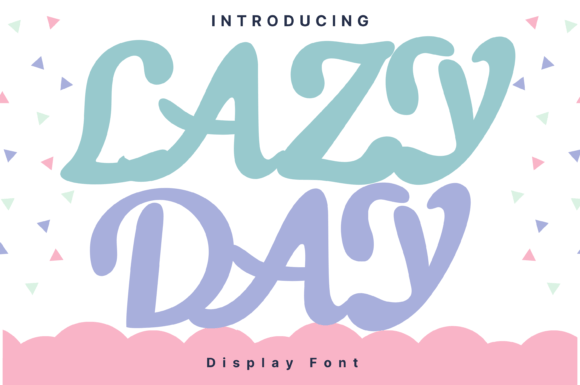
In the rapidly evolving landscape of digital design and brand identity, typography has ceased to be merely a vessel for information. It has become a primary driver of emotion, personality, and connection. As professionals, creators, and entrepreneurs navigate an increasingly saturated market, the demand for distinct visual voices has never been higher. Enter Lazy Day, a whimsical and clean display font that is quickly becoming a cornerstone for projects seeking to balance approachability with professional polish. This typeface represents more than just an aesthetic choice; it signals a broader shift in how we communicate value, authenticity, and creativity in the modern economy.
The Evolution of Display Typography in a Digital-First World
For decades, the corporate world relied heavily on sterile, sans-serif fonts that prioritized legibility above all else. While functional, this approach often resulted in a homogenized visual culture where brands struggled to differentiate themselves. Today, however, consumer expectations have shifted dramatically. Audiences crave human connection, even in digital interactions. They respond to brands that feel accessible, warm, and slightly imperfect. This is where the Lazy Day style finds its footing. By combining whimsical curves with a clean structure, it bridges the gap between playful creativity and reliable professionalism.
The relevance of Lazy Day extends beyond simple aesthetics; it aligns with the current trend of "humanizing" technology. As artificial intelligence and automation handle more backend processes, the frontend user experience must feel undeniably human. A font that carries a sense of hand-crafted charm helps soften the edges of digital interfaces, making apps, websites, and marketing materials feel less like machines and more like conversations. This psychological impact is crucial for marketers and freelancers who need to build trust quickly in a competitive environment.
Why Creatives Are Turning to Whimsical Cleanliness
The attention surrounding Lazy Day is not accidental. It addresses a specific pain point in the creative workflow: the struggle to find a typeface that stands out without sacrificing readability. Many whimsical fonts lean too heavily into decoration, rendering them useless for body text or smaller UI elements. Conversely, ultra-clean fonts can feel cold and distant. Lazy Day offers a unique synthesis, providing the character of a display font with the versatility required for diverse applications.
Consider the changing preferences of the modern consumer. There is a growing fatigue towards aggressive sales tactics and overly polished, corporate imagery. People are drawn to brands that exhibit vulnerability and joy. A whimsical typeface suggests that the entity behind the brand is approachable and confident enough to break rigid conventions. When a startup uses Lazy Day for its landing page header, it immediately sets a tone that says, "We are innovative, but we don't take ourselves too seriously." This subtle cue can significantly lower the barrier to entry for new customers.
Integrating Lazy Day into Diverse Professional Workflows
The true power of Lazy Day lies in its adaptability. It is not confined to a single industry or medium. Instead, it serves as a versatile tool for a wide array of projects, from packaging design to digital advertising. For entrepreneurs launching a lifestyle brand, this font can evoke a sense of leisure and quality of life. For tech startups, it can soften complex offerings, making them feel user-friendly and intuitive.
Here is how different sectors are leveraging this typographic style to meet changing market demands:
- Lifestyle and Wellness: Brands in the health and wellness space are moving away from clinical aesthetics. Using a clean yet whimsical font helps convey mental ease and holistic balance, resonating with consumers seeking stress relief.
- E-Commerce and Retail: Online stores need to capture attention instantly. Lazy Day adds a layer of personality to product banners and promotional emails, increasing click-through rates by breaking the monotony of standard grid layouts.
- Education and EdTech: Learning platforms are adopting friendlier interfaces to reduce cognitive load. A approachable typeface makes educational content feel less intimidating and more engaging for students of all ages.
- Creative Agencies: Freelancers and agencies use distinctive typography to showcase their own brand identity. Adopting Lazy Day in portfolios signals a mastery of current design trends and an ability to craft unique narratives.
The Strategic Advantage of Distinctive Branding
In a marketplace where attention is the most scarce commodity, standing out is not optional—it is essential. The decision to integrate Lazy Day into a brand's visual identity is a strategic move towards differentiation. When every competitor is using the same three system fonts, a custom or distinctive display font becomes a powerful asset. It creates a visual hook that stays in the viewer's memory long after they have scrolled past.
Furthermore, the versatility of this font style supports the agile nature of modern business. Companies today must pivot quickly, launching campaigns across social media, print, and video simultaneously. A font that performs well across these mediums simplifies the workflow. Designers do not need to swap typefaces for different contexts; Lazy Day maintains its integrity whether it is rendered on a massive billboard or a smartwatch screen. This consistency reinforces brand recognition and streamlines the production process.
Future-Proofing Your Creative Assets
As we look toward the future of design, the line between digital and physical continues to blur. Augmented reality, interactive displays, and dynamic web experiences require typography that is robust yet flexible. The clean lines of Lazy Day ensure high legibility on low-resolution screens, while its whimsical details add depth to high-definition renders. This duality makes it a future-proof choice for creators who want their work to remain relevant as technology evolves.
Moreover, the emotional resonance of whimsical typography aligns with the growing emphasis on mental well-being in society. Designs that evoke calmness and joy contribute to a positive user experience. By choosing a font that embodies these qualities, professionals are not just designing for aesthetics; they are designing for empathy. This shift reflects a deeper understanding of the consumer psyche, where the feeling associated with a brand is often just as important as the product itself.
Practical Observations for Implementation
To maximize the impact of Lazy Day, creators should consider the context in which it is used. While it excels as a display font for headlines and logos, pairing it with a neutral, highly legible sans-serif for body copy creates a balanced hierarchy. This combination allows the whimsical elements to shine without overwhelming the reader. Additionally, playing with color can enhance the personality of the font. Soft pastels or bold, contrasting hues can further amplify the mood established by the typeface.
- Identify the Core Message: Determine if the project requires a tone of playfulness, warmth, or creative innovation. If so, Lazy Day is an ideal candidate.
- Test Across Platforms: Ensure the font renders correctly on mobile devices and various browsers to maintain the clean aesthetic.
- Maintain Consistency: Use the font consistently across all touchpoints to build a cohesive brand narrative.
- Experiment with Layout: Don't be afraid to break traditional grid structures. The organic nature of the font invites more dynamic and fluid compositions.
Ultimately, the rise of Lazy Day and similar typographic styles signifies a maturation in the design industry. It shows that professionals are no longer satisfied with mere functionality; they seek expression, connection, and meaning. By adding this font to your creative ideas, you are not just updating a visual element; you are aligning your work with a movement towards more human-centric, engaging, and memorable communication. Whether you are a marketer crafting a campaign, an entrepreneur building a brand, or a freelancer showcasing your portfolio, embracing this whimsical yet clean style can help your projects stand out in a crowded world.
The opportunity to redefine how your audience perceives your work is here. By understanding the nuances of Lazy Day and applying them thoughtfully, you can create experiences that resonate deeply and endure. The future of design is not just about what we see, but how it makes us feel—and few tools capture that sentiment quite like this distinctive typographic approach.