Integrating Gamebid Pixely into Your Creative and Business Workflows
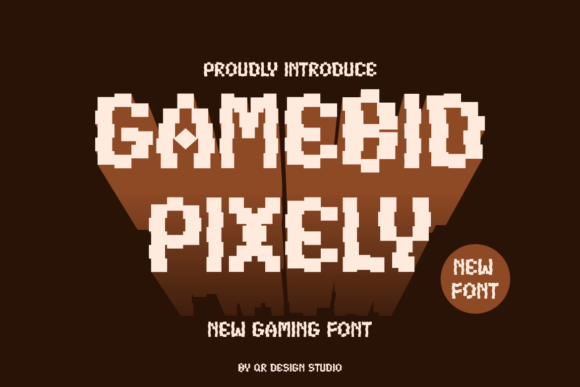
In the fast-paced world of digital design and content creation, typography often serves as the silent ambassador for your brand or project. While many professionals spend hours selecting serif or sans-serif fonts for corporate reports, there is a distinct and growing need for typefaces that convey joy, nostalgia, and approachability. Gamebid Pixely emerges as a specialized tool in this niche, functioning not just as a decorative element but as a strategic asset within a broader creative process. This fun and friendly display font is designed to bridge the gap between professional execution and playful expression, making it an ideal choice for cartoon-related designs, children's games, quotes, titles, brand names, book covers, posters, and any creation requiring a touch of joy.
Understanding where Gamebid Pixely fits into a workflow requires looking beyond its aesthetic appeal. For entrepreneurs, marketers, and freelancers, the selection of a font is a decision that impacts readability, brand perception, and user engagement. Integrating this pixel-inspired typeface effectively involves preparation, compatibility checks, and strategic placement within your projects to ensure consistency and quality.
Strategic Placement in the Design Lifecycle
The utility of Gamebid Pixely extends across various stages of a project, from initial brainstorming to final delivery. Unlike body text fonts that must remain invisible to the reader, display fonts like this are meant to be seen and felt. Therefore, its implementation should be planned during the conceptual phase rather than treated as an afterthought.
During the Planning Phase: When defining the tone of a new product launch, educational material, or marketing campaign, deciding on the visual voice is crucial. If the goal is to evoke nostalgia, simplify complex ideas for younger audiences, or soften a brand's image, Gamebid Pixely should be selected early. This prevents the common workflow bottleneck of trying to force a playful font into a rigid layout later on. By establishing it as a primary asset at the start, designers and project managers can build color palettes and graphic elements that complement its blocky, retro-modern structure.
Execution and Production: In the active creation stage, this font excels in environments where attention needs to be captured quickly. For game developers working on UI elements, using Gamebid Pixely for menu headers, level titles, or dialogue boxes can instantly set the genre expectation. Similarly, educators creating worksheets or presentation slides can use it to highlight key concepts without intimidating students with dense text. The key here is restraint; because it is a display font, it interacts best with clean, simple sans-serif bodies. Mixing it with overly ornate scripts or heavy slab serifs can create visual noise that reduces efficiency in communication.
Compatibility and Technical Integration
For professionals managing multiple tools and platforms, compatibility is a non-negotiable factor. Gamebid Pixely is designed to be versatile, but its successful integration depends on understanding file formats and rendering contexts. Whether you are working in Adobe Illustrator for print posters, Photoshop for social media graphics, or a game engine like Unity or Godot, ensuring the font renders crisply is essential.
Pixel-style fonts can sometimes suffer from aliasing issues if scaled incorrectly or viewed on low-resolution screens. To maintain quality control:
- Vector vs. Raster: When possible, keep text containing Gamebid Pixely in vector formats for print materials like book covers and posters. This ensures sharp edges regardless of size.
- Screen Optimization: For digital products, such as children's games or web banners, test the font at actual display sizes. Pixel fonts often look best when aligned to a grid, so enabling "pixel preview" modes in your design software can help maintain the intended retro aesthetic.
- Licensing and Usage: Always verify the license terms before commercial deployment. Whether you are a small business owner branding a toy store or a publisher designing a chapter header, understanding usage rights prevents legal complications down the line.
Furthermore, organization is vital when collaborating with teams. If you are handing off files to a developer or another designer, include the font file or specify the exact version of Gamebid Pixely being used. Missing fonts are a frequent source of delay in creative workflows, and proactive management ensures smooth handovers.
Use Cases Across Industries
The versatility of Gamebid Pixely allows it to serve diverse sectors, provided the application aligns with the goal of injecting joy and friendliness. Here is how different professionals can leverage this asset:
Marketing and Branding
Marketers often struggle to make brands feel accessible. A tech startup targeting families or a local bakery wanting to appear whimsical can use Gamebid Pixely in their logos or tagline graphics. It works exceptionally well for limited-time offers, event posters, or social media stories where the objective is to stop the scroll. However, it should not replace the primary logotype unless the brand identity is explicitly rooted in gaming or retro culture. Instead, use it to support the main brand assets, creating a hierarchy that guides the viewer's eye.
Education and Publishing
Educators and publishers benefit significantly from fonts that reduce cognitive load for young readers. The clear, geometric shapes of Gamebid Pixely make it excellent for book covers, chapter titles, and educational game interfaces. It signals to the reader that the content is approachable and fun. When designing learning materials, pair it with high-contrast colors and ample whitespace to maximize readability. This combination supports the learning process by making the material feel less like a chore and more like an adventure.
Game Development and Digital Products
For indie game developers, Gamebid Pixely is a natural fit. It reduces the need for custom lettering while providing a cohesive art style. Beyond games, app developers creating productivity tools with a gamified element can use this font for achievement badges, progress headers, or reward screens. This subtle injection of playfulness can improve user retention and satisfaction, turning a mundane task into a rewarding experience.
Best Practices for Long-Term Use
To ensure Gamebid Pixely remains an effective part of your toolkit, consider its role in long-term brand consistency. While trends in typography shift, the emotional connection established by a well-chosen display font can endure. However, overuse can dilute its impact. Reserve it for moments that require emphasis or emotional resonance.
Efficiency in workflow also comes from creating templates. If you frequently produce social media quotes or YouTube thumbnails, build master files in your design software with Gamebid Pixely pre-loaded and styled. This reduces setup time for future projects and ensures that every output maintains a consistent visual language. Additionally, document your usage guidelines. Note down preferred color combinations, minimum sizes, and pairing fonts. This documentation becomes invaluable as your team grows or as you outsource work to freelancers.
Ultimately, the value of Gamebid Pixely lies in its ability to humanize digital interactions. In a landscape dominated by sleek, corporate minimalism, introducing a font that embodies fun and friendliness can differentiate your work. By thoughtfully integrating it into your planning, execution, and quality control processes, you transform a simple typeface into a powerful component of your creative strategy. Whether you are crafting a poster, designing a game interface, or branding a new venture, this font offers a reliable way to inject personality and warmth into your final product.